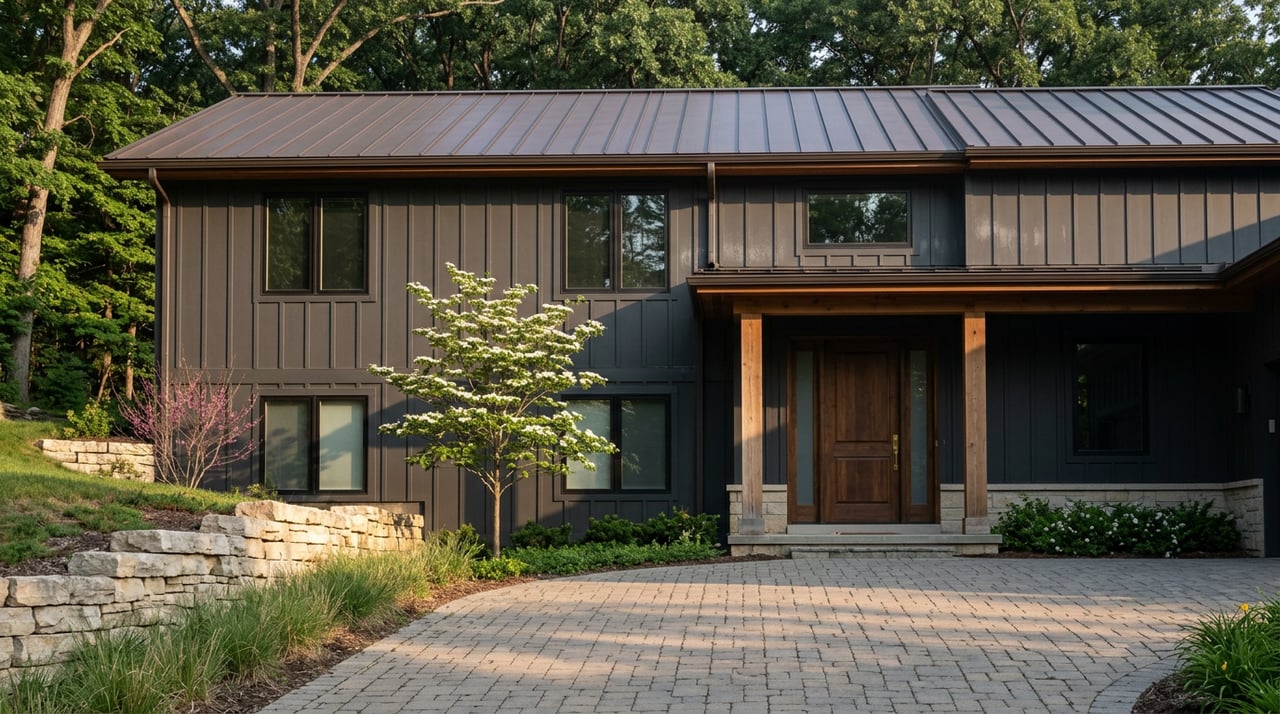
The Dock You See at an Osage Beach Showing Isn't Always the Dock You're Buying
August 13, 2026
August 13, 2026
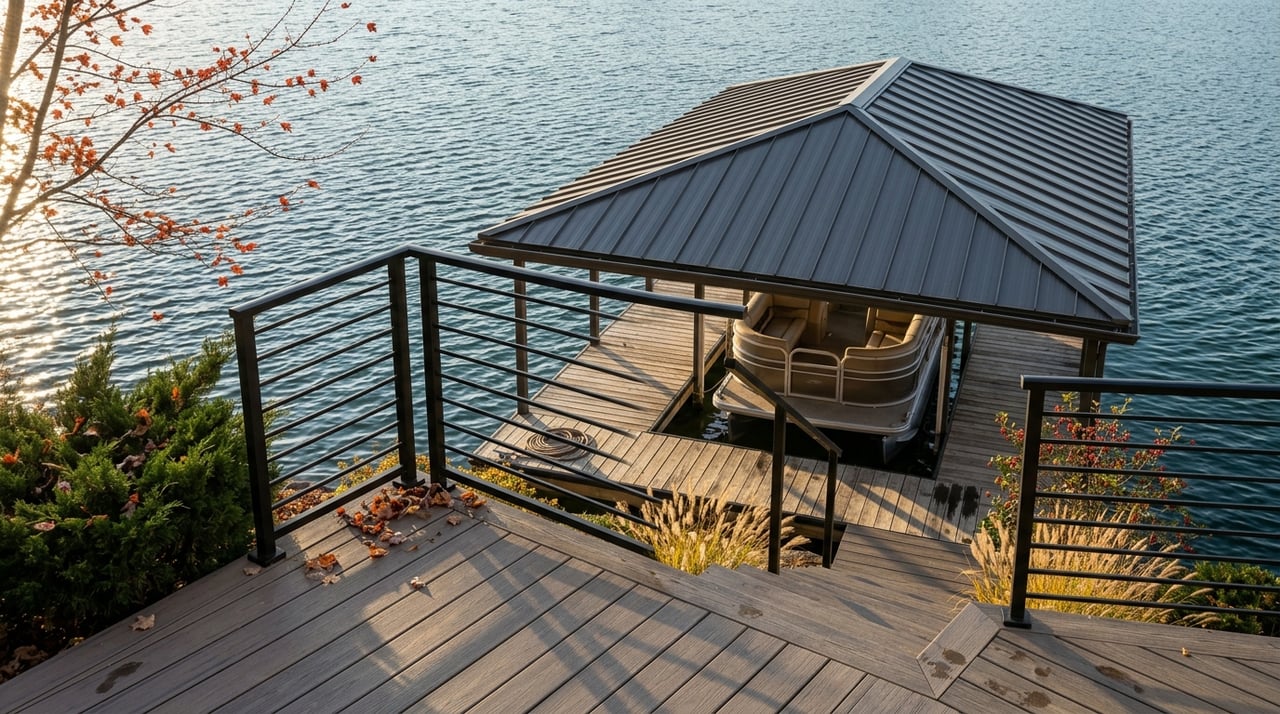
Picture the walk-through. Covered slip, boat lift, maybe a sun deck bolted to the top. The listing photos made it look permanent, like it came with the house the same way the kitchen cabinets did. Most buyers assume that once they close, the dock is theirs to keep, use, or move as they see fit.
That assumption is where the trouble usually starts. At Lake of the Ozarks, the dock itself sits on land the homeowner does not fully own. Ameren Missouri controls the shoreline under a federal license, and what actually changes hands at closing is not the physical structure so much as a permit number tied to a specific stretch of shoreline. The house is real property. The dock rides on a permit. Those are two different legal objects with two different sets of rules, and in Osage Beach, where full-time residents live alongside a heavy seasonal population and a dense mix of coves, condos, and single-family lots, that distinction shows up in almost every waterfront transaction.
Ameren does not issue permits for houses. It issues them for the docks, seawalls, boat ramps, and other structures built on the shoreline it manages, and when a property sells, the new owner has to formally request that those existing permits be transferred into their name. That means an application, a processing fee, and a copy of the deed showing ownership, submitted to Ameren's own permitting process.
The office handling all of this sits at 3 Willmore Lane in Lake Ozark, across from the historic Willmore Lodge that once served as the administration building during construction of Bagnell Dam. It is not a courthouse errand. It is a dedicated shoreline management operation because the scale of what Ameren oversees is genuinely large: the lake stretches across roughly 1,150 miles of shoreline, and Ameren's shoreline management page exists specifically because docks, seawalls, and pumps around all of it require sign-off before construction begins.
Here is the part that catches people off guard most often:
| What buyers assume | What's actually true |
|---|---|
| The dock is included in the sale like a built-in appliance | The dock sits under a permit that must be separately transferred to the new owner |
| Any variance the current owner secured stays with the property forever | Variances are not guaranteed to carry over after a change in ownership |
| Moving a dock to a better spot on the same shoreline is a formality | The permit number stays with the original location. It does not travel with the physical dock |
| A dock that's been there for years is automatically compliant | The dock has to match the dimensions and location on file, or the mismatch becomes the buyer's problem |
Even after the paperwork lines up, there is a timing detail that can slow a closing that everyone assumed was routine. If the property sits within the Lake Ozark Fire Protection District, Mid County Fire District, Osage Beach Fire Protection District, Rocky Mount Fire Protection District, Sunrise Beach Fire Protection District, or Northwest Fire Protection District, Ameren requires an electrical inspection of the dock's wiring by that fire district before the permit can transfer, and that inspection has to have been completed and approved within the prior 12 months.
For a buyer closing on an Osage Beach lakefront home, that means asking early whether the seller has a current inspection on file. If the dock has not been actively used or maintained, scheduling that inspection can take longer than either side expects, and it is not something a title company chases down on its own.
"Lake of the Ozarks is one of the world's largest reservoirs and a thriving tourist area."
That line, from Ameren's own shoreline permitting guidelines, is not marketing copy. It is the reason the system is as procedural as it is. Nearly 50,000 shoreline dwelling units ring this lake, and Ameren's shoreline team runs a permit program that issues more than 2,000 shoreline permits a year to keep that density from turning into a navigation and safety problem.
Ameren owns and controls the shoreline up to an elevation of 662 feet, which sits about two feet above the lake's normal summer pool level of 660 feet. Below 658.5 feet, most shoreline structures other than boat docks also need approval from the U.S. Army Corps of Engineers, on top of whatever Ameren requires.
Cove by cove, the rules get more specific still. In the Glaize and Niangua arms of the lake, breakwater placement is restricted to the first 250 to 500 feet from the mouth of a cove, depending on the cove's width, precisely because these are some of the busiest, most heavily developed stretches of shoreline on the lake. A buyer who wants to relocate a dock, extend it, or add a breakwater in a crowded cove is not just asking Ameren a question. They are asking whether the shoreline in that exact spot has room left under what the industry calls cove density rules, which limit how much dock infrastructure a given stretch can absorb before Ameren stops approving additions.
That is the mechanism worth sitting with. A permitted dock adds real value to a lakefront listing. But the permit is a fixed asset tied to a fixed location, not a portable feature that follows the owner's preferences. Buy the house, and you are also buying whatever room is left on that shoreline to work with.
If the existing dock does not fit what a buyer wants, either because it needs replacing or because they hope to add capacity, only an Ameren-Certified Dock Builder can legally submit that permit application. Ameren's own dock requirements page spells out what that certification requires: proof of at least $1,000,000 in commercial liability insurance with Ameren named as additionally insured, workers' compensation coverage, proper documentation for waste disposal, and passing both an initial certification inspection and ongoing random inspections.
New dock construction on the lake typically runs from around $22,000 for a modest single-well aluminum dock up to well over $100,000 for a large, premium concrete build, with site conditions, cove access, and design driving most of the variance. Ameren's review of the permit application itself can take anywhere from 30 to 90 days depending on the season and complexity of the project, on top of however long construction actually takes once approved. For a buyer counting on a quick dock swap after closing, that timeline is worth planning around rather than discovering.
The same system that slows buyers down can just as easily slow a seller's closing if the paperwork is not ready in advance. Sellers who gather their current Ameren permit, confirm the dock matches it, and get the fire district electrical inspection scheduled before listing tend to close faster and field fewer surprise requests during the buyer's due diligence period. A dock that is fully documented and up to date is not just a nice-to-have on a lakefront listing. It removes one of the few genuine points of friction left in an otherwise straightforward sale.
Does the permit transfer automatically when I buy an Osage Beach lakefront home? No. The new owner has to submit an application, a processing fee, and a copy of the deed to Ameren to have the existing permit formally transferred into their name.
What happens if the physical dock doesn't match the permit on file? That mismatch becomes the new owner's responsibility to resolve, which is why confirming the dock's actual dimensions and location against the permit drawing during due diligence matters more than most buyers realize.
Can I move my own dock to a different spot on my same shoreline? The permit number stays tied to its original location and does not travel with the dock, so relocating it means going through Ameren's process again, including a check on cove density and setback rules for the new spot.
Dock permits are one of those details that rarely show up in a showing but shape almost every part of what a lakefront property is actually worth and what it will let you do with it. If you're weighing a purchase or a sale in Osage Beach and want a straight read on what a specific shoreline location can and can't support, Emily Durgan has spent years working these transactions on this lake and is glad to walk through it with you. Let's Connect.
Stay up to date on the latest real estate trends.
Bringing deep local insight and a passion for waterfront living, clients are guided through every step with clarity, care, and a focus on finding the right fit.