Cape Coral vs Fort Myers Waterfront Living Guide
June 18, 2026
June 18, 2026
Trying to choose between Cape Coral and Fort Myers for waterfront living? If you are dreaming about life on the water, the right answer depends less on which city sounds more exciting and more on how you want to use the water every day. From canal-front homes with private docks to riverfront condos near dining and entertainment, each city offers a very different lifestyle. Let’s dive in.
The biggest difference between Cape Coral and Fort Myers is the type of waterfront setting you are buying into. Cape Coral is built around an extensive canal system, with the city reporting more than 400 miles of canals. Many of those canals connect to the Caloosahatchee River and the Gulf, which makes the city especially appealing if boating is part of your routine.
Fort Myers has a different feel. Its waterfront identity is more closely tied to the Caloosahatchee River and the downtown River District, a 540-acre redevelopment area that stretches from the river to Victoria Avenue and from West First Street to Billy’s Creek. That creates a more urban waterfront experience, with a mix of residential and commercial uses in a walkable setting.
In simple terms, Cape Coral tends to suit buyers who want the water behind the house. Fort Myers tends to suit buyers who want waterfront views, shared amenities, and easier access to downtown life.
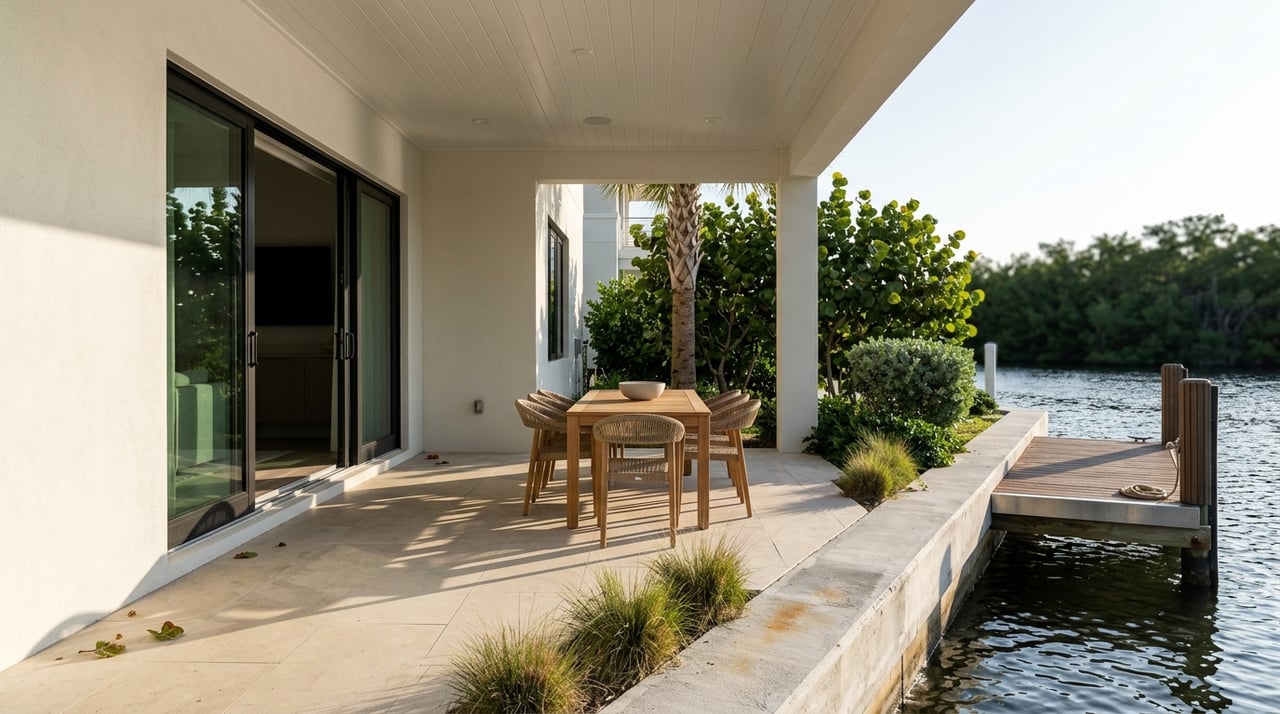
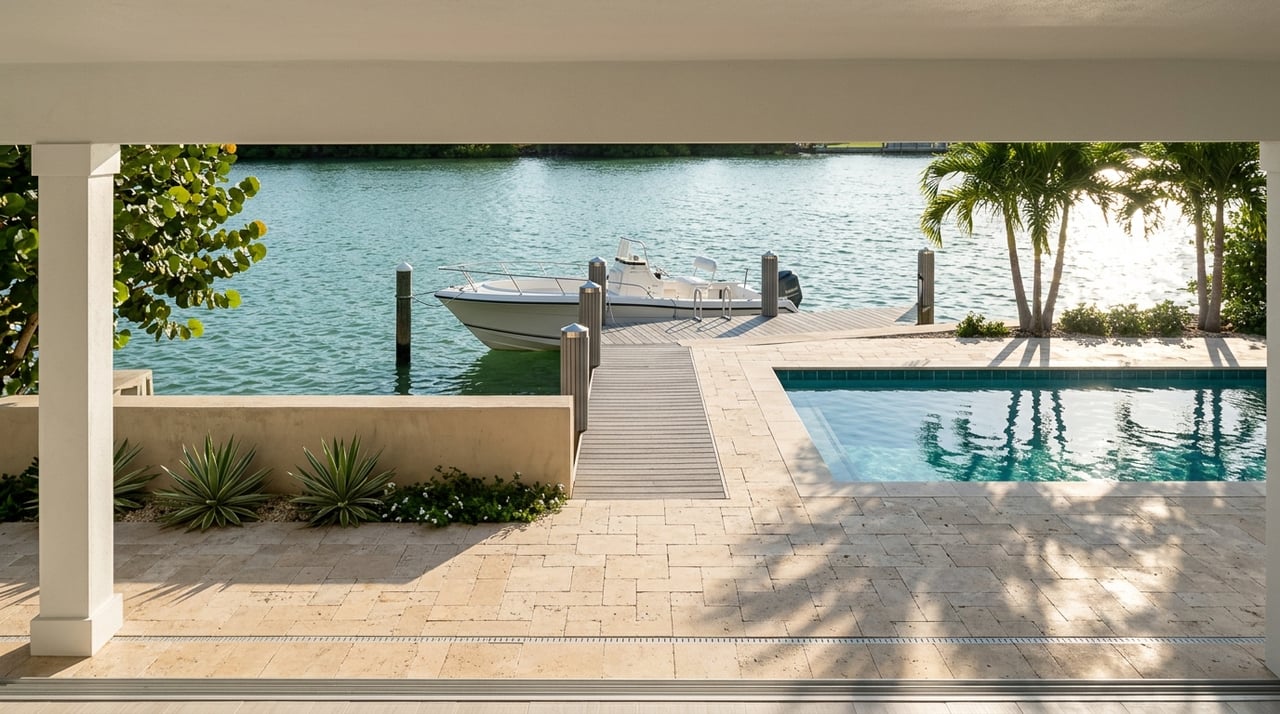
If your ideal day starts with stepping out to your dock, checking the boat lift, and heading out on the water, Cape Coral usually stands out first. Its canal network shapes the way people live there, and the city’s own materials highlight boating, fishing, kayaking, and outdoor recreation as core lifestyle features.
That layout also creates more opportunities for private waterfront homes. While every property is unique, Cape Coral is generally more house-centered than condo-centered when it comes to waterfront options. For many buyers, that means a stronger chance of finding a single-family home that supports the day-to-day boating lifestyle they want.
Cape Coral also offers strong public boating infrastructure. The city notes direct access from its canal system to the Caloosahatchee River and the Gulf, along with improved public ramps at BMX, Burnt Store, Horton, and Rosen Park.
Rosen Park adds another layer to the lifestyle. It includes a marina with 19 wet slips, live-aboard vessel capacity up to 40 feet, and both annual and transient rentals. For buyers who want flexibility beyond a private dock, that can be a meaningful plus.
Cape Coral is adding more mixed-use and multifamily development, but the city’s waterfront identity still leans heavily toward canal homes. Projects such as Bimini Square and The Cove at 47th show that condo and apartment options are growing, and Bimini Square includes a 25-slip marina dock on the Bimini Basin.
Even so, the broader character of Cape Coral remains more canal-home centric than condo centric. If you picture a backyard seawall, a lift, and easy boat access, that points more clearly toward Cape Coral.
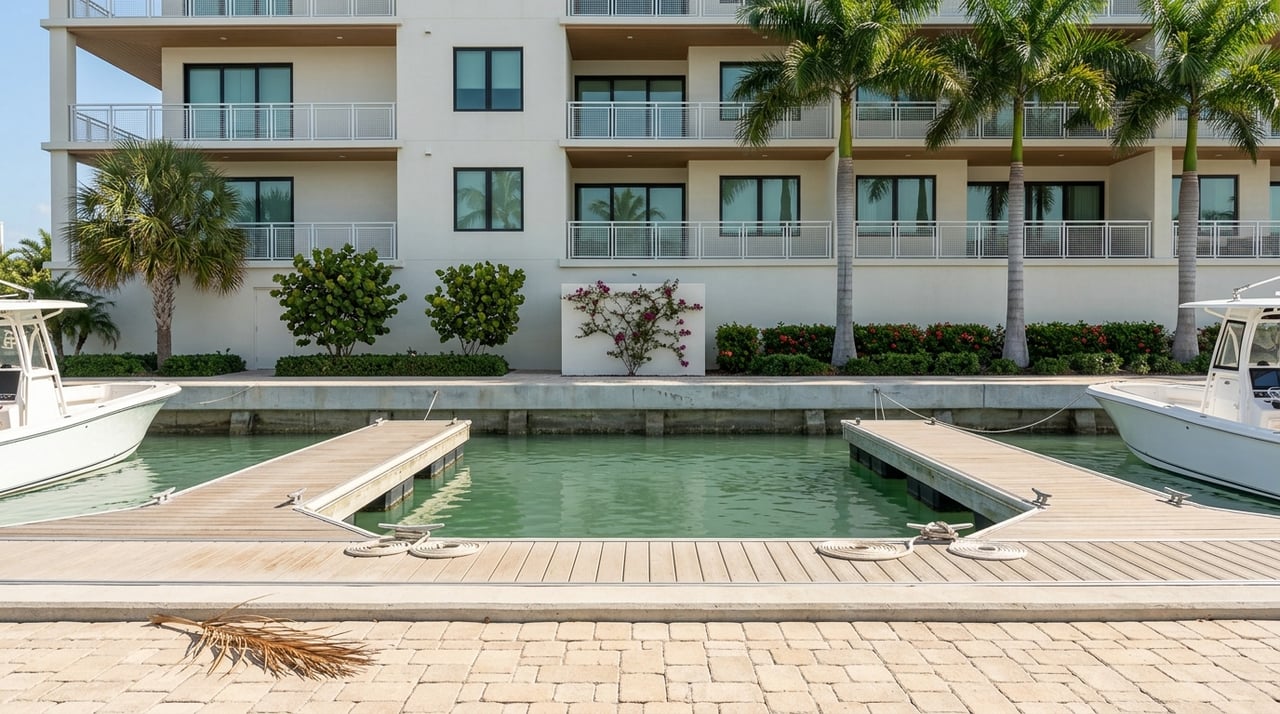
Fort Myers often makes more sense if your version of waterfront living is less about maintaining a dock and more about enjoying river views, shared amenities, and a connected location. The River District is designed around a walkable mix of commercial and residential uses, which gives the area a more urban waterfront atmosphere.
That matters if you want to step outside and be close to restaurants, arts, and public waterfront spaces. Instead of a canal-grid lifestyle, Fort Myers offers a riverfront setting that feels more concentrated and destination-oriented.
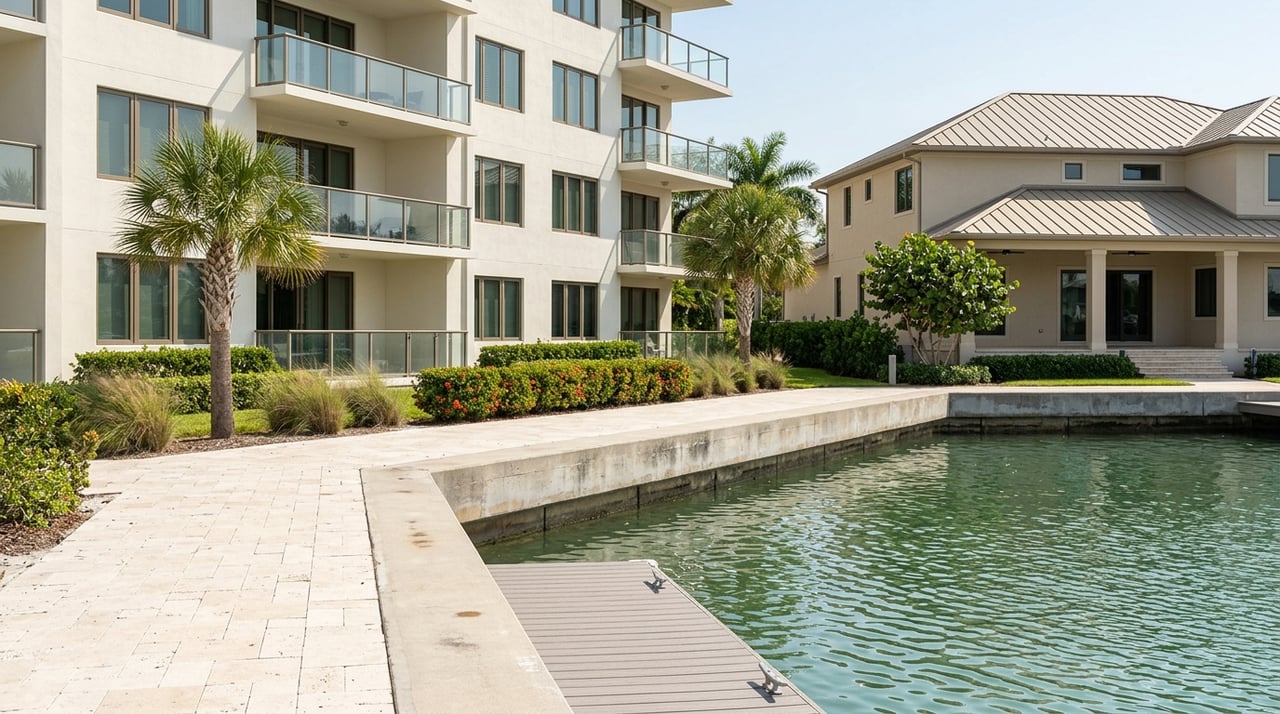
Fort Myers has a more established condo and multifamily presence along the waterfront. Downtown projects include Edison Grand, a 24-story residential tower with 323 units, and Silver Hills at Fort Myers, also known as Triton Cay, a two-building riverfront community with 327 apartments.
The city’s redevelopment pipeline also includes projects such as The Irving Downtown and Palmera on the River, while city records reference condo properties like St Tropez, Beau Rivage, and Oasis Grand. Taken together, that supports a deeper condo-first and apartment-first waterfront market than what you typically see in Cape Coral.
Boating still plays a role in Fort Myers, but the setup is different. Rather than a broad canal network, the waterfront experience is more tied to marinas, riverfront projects, and public access points.
The Fort Myers Yacht Basin is a key example. City planning documents state that it sustained major damage from Hurricane Ian, and the city entered a long-term lease with Suntex Marinas to operate and redevelop it. The city is also moving forward with other waterfront access improvements, including Legacy Island Park Phase II, which would add a five-slip docking facility and an overwater observation pier, and it reopened the historic Tarpon Pier and Riverside Pier in 2026 after rebuilding.
The best city for you depends on what waterfront living means in your daily life. It helps to think beyond the listing photos and focus on your routines, priorities, and property goals.
For many buyers, this is the clearest shorthand: Cape Coral usually wins for canal life and private dock living, while Fort Myers usually wins for riverfront condo living and walkable waterfront convenience.
One of the most useful ways to compare these two markets is by property type. If you are choosing between a single-family waterfront home and a riverfront condo, you are often also choosing between two very different ownership experiences.
A canal-front house may offer more private control over your waterfront use. That can be ideal if you want to store a boat at home, spend time outdoors, or make the water part of your everyday routine.
A riverfront condo can offer a more lock-and-leave lifestyle. If you split time between states, own a second home, or want less hands-on exterior maintenance, Fort Myers may feel more practical depending on the building and location.
No matter which city you prefer, waterfront purchases in this part of Lee County deserve careful review at the property level. Cape Coral states that most residents live in Special Flood Hazard Areas, and it notes that flood insurance is required for many owners. The city also says repairs in Special Flood Hazard Areas require permits.
Lee County explains that A and V zones are Special Flood Hazard Areas, and many mortgage lenders require flood insurance in those zones. Fort Myers also maintains a flood-management program through its stormwater division and FEMA CRS resources, which reinforces an important point: flood and insurance decisions should be evaluated by address, not just by city.
That means two homes with similar water views can carry very different practical considerations. Before you move forward, it is wise to look closely at flood-zone status, insurance requirements, and any permit issues tied to the specific parcel.
If you are still torn between Cape Coral and Fort Myers, start by answering a few simple questions. Your lifestyle goals usually make the decision clearer than broad market labels.
When you answer those questions honestly, the fit often comes into focus. Buyers who want direct canal access and private boating flexibility often lean toward Cape Coral. Buyers who want a more urban riverfront setting with stronger condo options often lean toward Fort Myers.
Both Cape Coral and Fort Myers offer real waterfront appeal, but they are not interchangeable. Cape Coral is usually the stronger match for buyers who want canal-front homes, private docks, and a boating-first lifestyle. Fort Myers is usually the stronger match for buyers who want riverfront condos, walkable surroundings, and a more urban waterfront experience.
If you want help sorting through the tradeoffs, comparing property types, or narrowing your search based on how you actually want to live, Emily Durgan is here to guide you with clear, local insight and a calm, no-pressure approach.
Stay up to date on the latest real estate trends.
Bringing deep local insight and a passion for waterfront living, clients are guided through every step with clarity, care, and a focus on finding the right fit.