How To Sell A Cape Coral Waterfront Home
June 25, 2026
June 25, 2026
Selling a waterfront home in Cape Coral can feel different from selling any other property, and buyers notice that difference right away. They are not just looking at your square footage or finishes. They are also studying your seawall, dock, shoreline, flood history, and how the home lives in and around the water. If you want to sell with confidence, it helps to know what matters most in this market and how to prepare before you list. Let’s dive in.
Cape Coral has more than 400 miles of waterways, and waterfront living is one of the city’s signature features. That also means buyers tend to compare homes carefully because they know canal-front value is shaped by more than the house itself.
Current public market trackers point to a slower, price-sensitive market. One source reported a May 2026 median sale price of $359,785, about 60 days on market, and a 96.7% sale-to-list ratio, while another reported a median listing price of $417,000, about 77 days on market, and a 97% sale-to-list ratio. The numbers are not directly comparable, but they support the same takeaway: pricing discipline matters.
If you come to market too high, you may lose early momentum. In a balanced or cooler market, buyers often wait for price improvements or negotiate hard when a home feels overpriced.
Waterfront sellers often feel strong emotional value in their property, and that is understandable. Your dock, view, pool, and boating access may have shaped years of memories. Still, buyers will look at current conditions first.
A smart launch price should reflect the home’s condition, canal-side features, flood history, and local competition. In Cape Coral, where homes are often selling close to but not above asking, a realistic list price can help you attract showings, create stronger interest, and reduce the risk of sitting on the market.
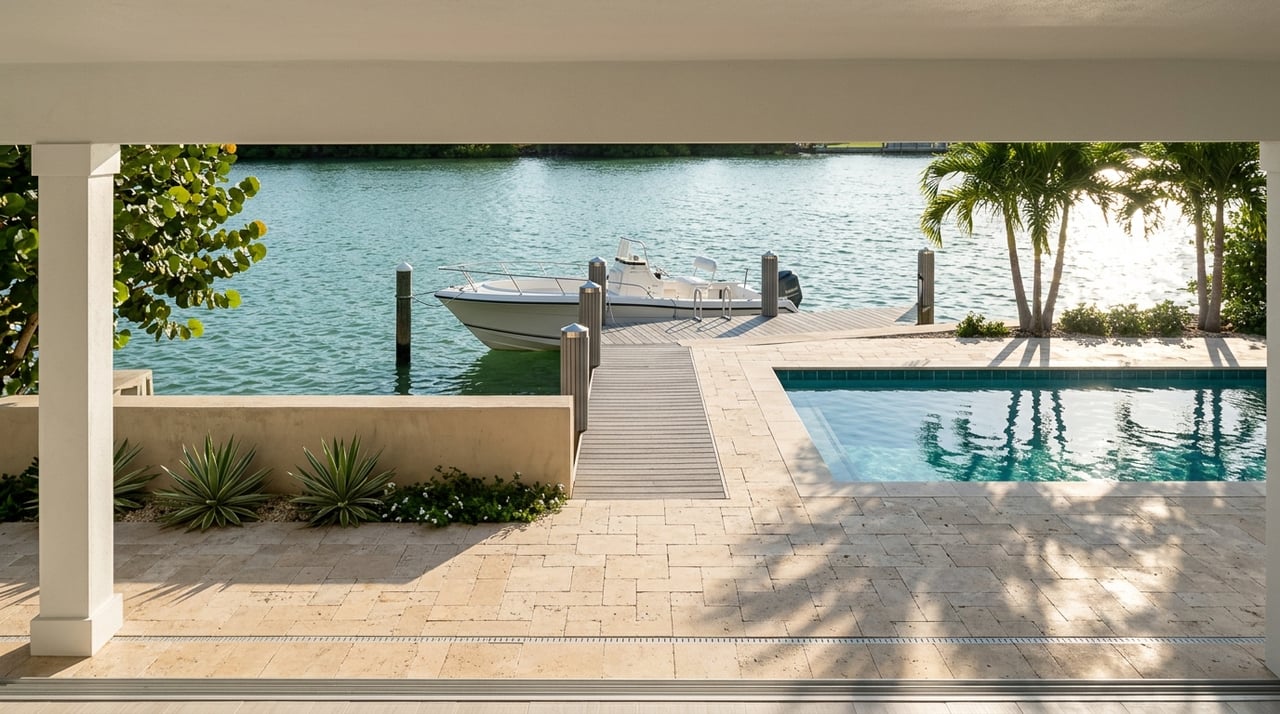
When buyers tour a Cape Coral waterfront home, they usually start forming opinions before they even step inside. The canal edge, dock area, seawall line, and outdoor living spaces all send signals about upkeep and value.
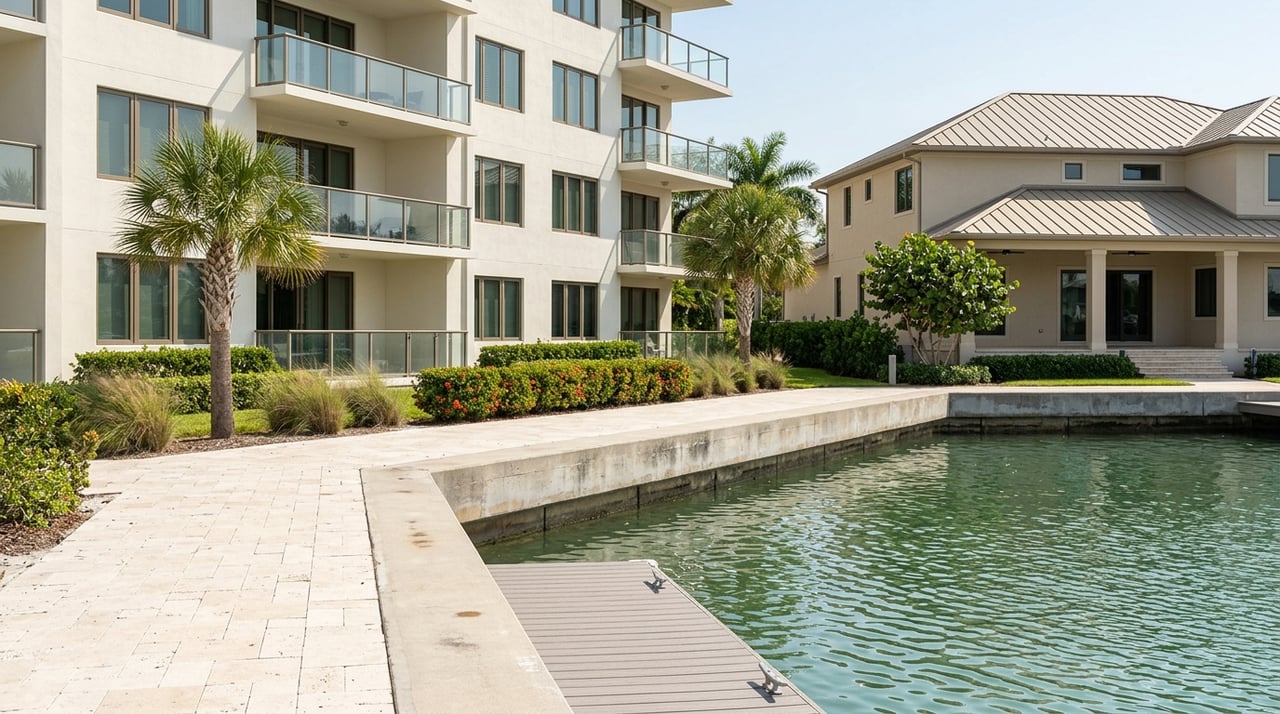
Cape Coral’s waterfront guidance emphasizes shoreline stability and environmental maintenance. The city notes that rip rap can help stabilize shorelines, mangroves help protect saltwater shorelines, and the area 10 feet above the waterline is treated as a critical buffer. For you as a seller, that means visible maintenance matters.
If your seawall shows cracking, settlement, leaning, or erosion nearby, buyers may see that as a major future cost. Even when the home itself shows beautifully, concern about the seawall can weigh on price and negotiations.
Before listing, gather any records you have for seawall repairs, inspections, or improvements. If work is needed, remember that Cape Coral requires a marine-improvement permit for a residential seawall project, and non-freshwater properties may also need DEP approval.
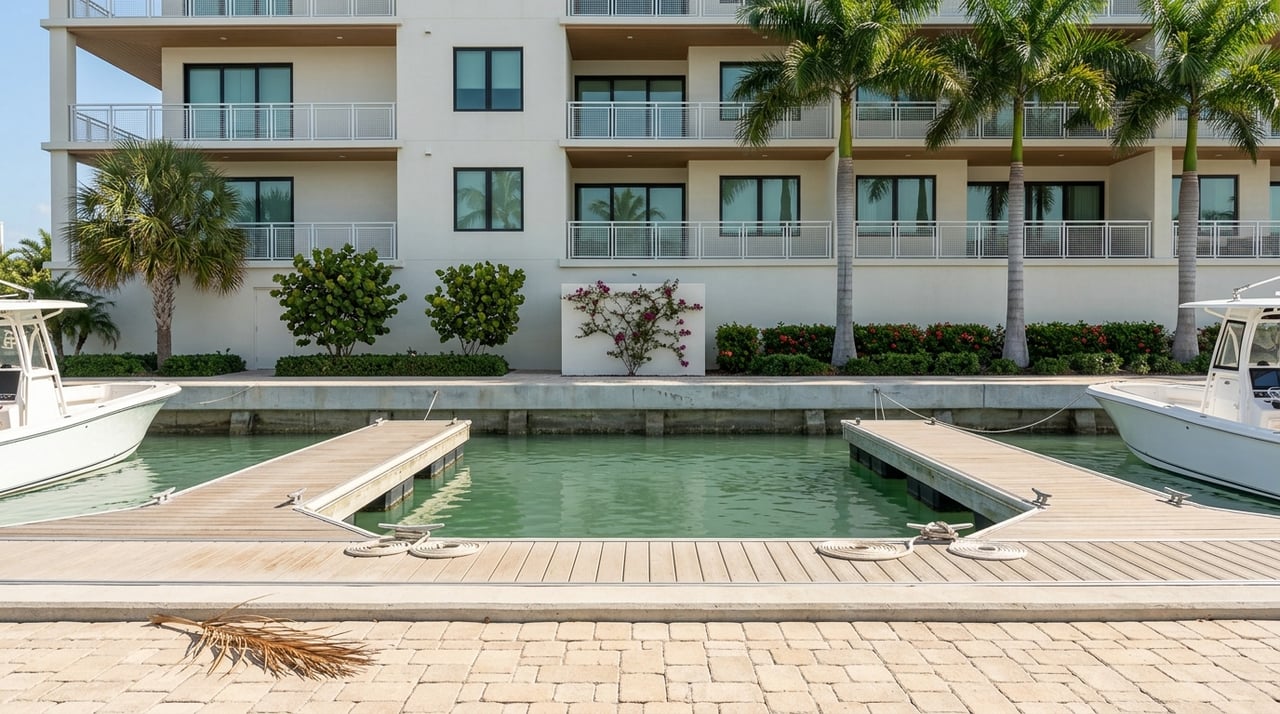
If your property includes a dock or boat lift, that can be a meaningful part of the value story. Buyers often want to know not just that the feature exists, but that it was properly permitted and documented.
Cape Coral’s residential wood-dock guideline states that dock or lift projects require marine-improvement application materials, layout details, and a final signed and sealed survey before final inspection. If you have those records organized ahead of time, you can reduce buyer hesitation.
Canal health and curb appeal are closely linked in a waterfront sale. Cape Coral warns that stormwater can carry trash, oil, grease, sediments, fertilizers, pesticides, pet waste, and yard debris into waterways.
A tidy canal edge, clean dock area, and well-kept landscaping help your property feel cared for. Even simple steps like removing grass clippings, trimming back clutter, and cleaning hard surfaces can improve the impression buyers get during showings.
Overgrown vegetation can make a waterfront lot feel smaller and less maintained. It can also raise questions about whether the shoreline has been cared for correctly.
Cape Coral notes that mangroves can be maintained up to 6 feet without a permit, but taller mangroves require a permit, and removal is not allowed without one. If your shoreline vegetation needs attention, it is smart to address it the right way before listing.
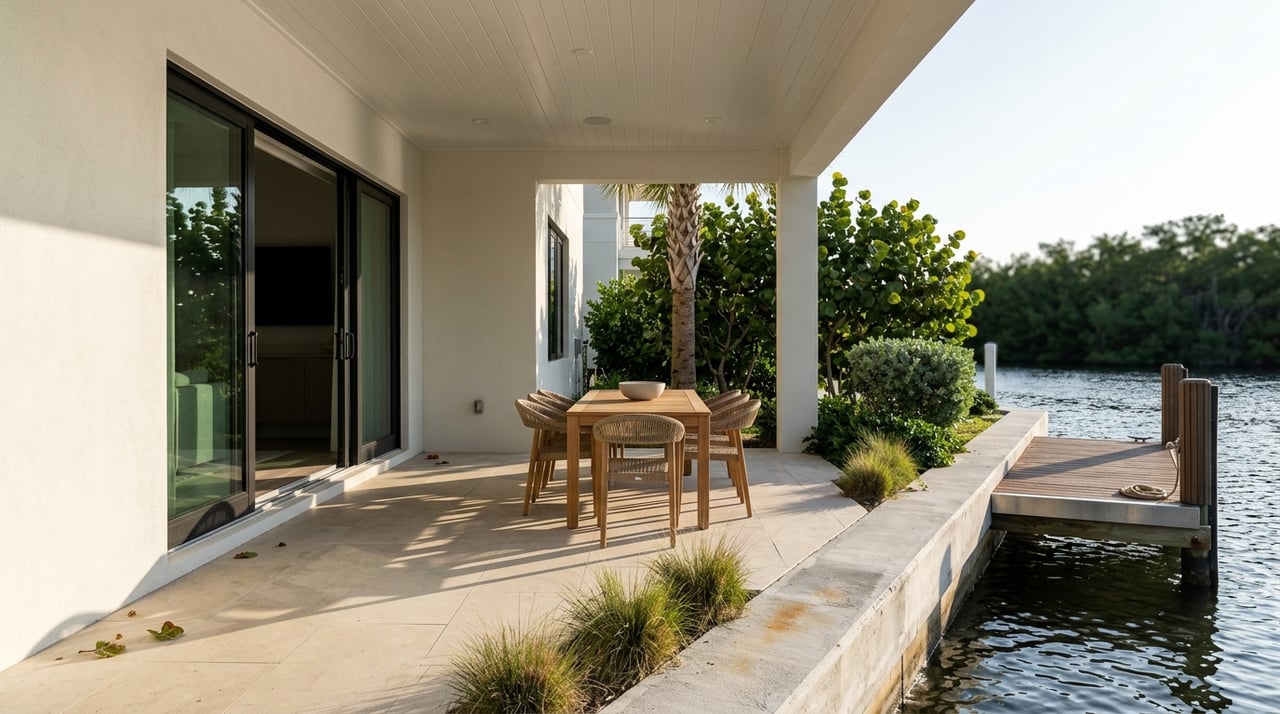
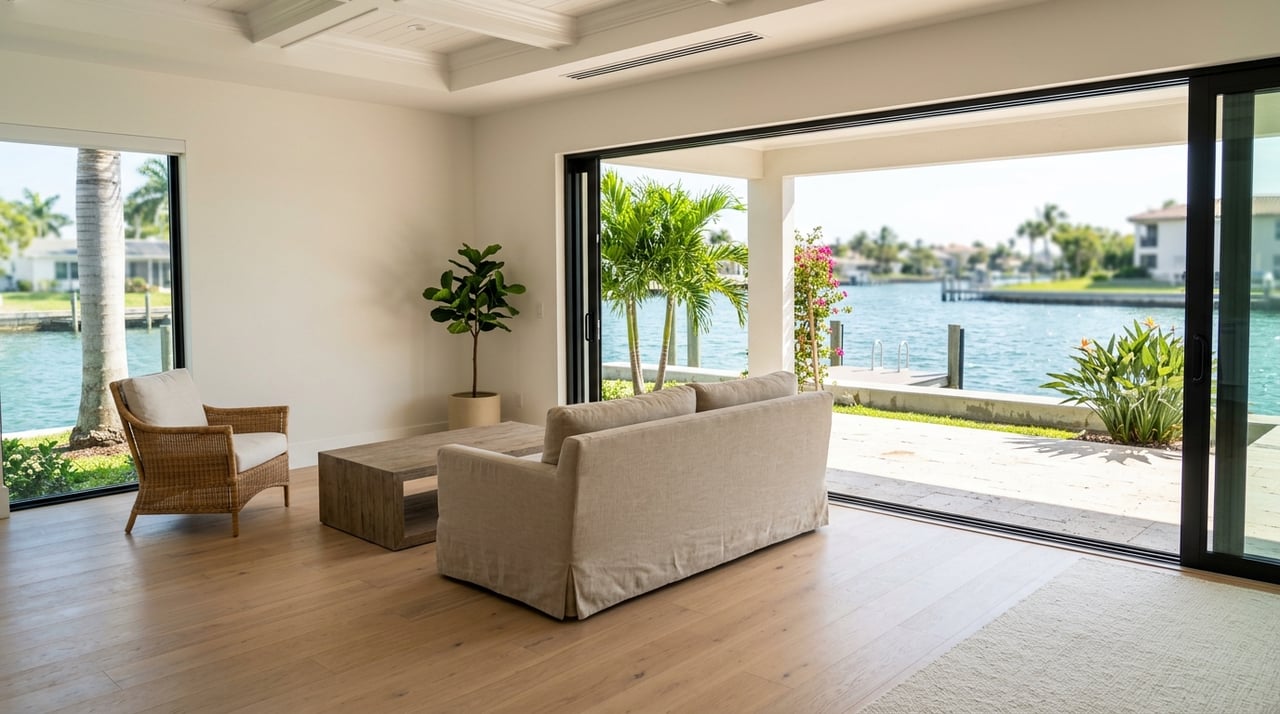
Buyers are not only buying water access. They are also buying a Florida lifestyle, and that means indoor-outdoor living carries real weight.
Cape Coral home-feature trends show buyer interest in white cabinetry, large open floor plans, large backyards, covered decks, and open-concept kitchens. For your listing, that means you should prepare both the waterfront elements and the everyday living spaces.
You do not need to fully remodel to improve your sale position. Small improvements in the most noticed spaces can have a strong effect on presentation.
Prioritize updates like:
A waterfront buyer often imagines how the home will feel on a sunny afternoon or a mild winter morning. Your presentation should help them picture that clearly.
Waterfront buyers in Florida tend to ask direct questions about flooding, water intrusion, and past damage. You should be prepared for that before your listing goes live.
Florida law now requires a flood disclosure for residential sales. The seller must complete and provide the disclosure at or before contract execution, and the form asks whether the seller has filed flood claims or received federal flood assistance.
Florida real estate licensees must also disclose all known facts that materially affect the value of residential property and are not readily observable to the buyer. In a Cape Coral waterfront sale, that can include past flooding, water intrusion, seawall settlement, dock damage, or similar issues.
If you have repair invoices, insurance documentation, permit records, or contractor reports, pull them together before you list. Clear documentation can help support trust and reduce delays once buyers begin asking questions.
It also helps you and your agent price more accurately. A home with clear records often feels less risky to buyers than a home with missing answers.
In Southwest Florida, timing can shape both visibility and showing activity. Cape Coral benefits from a strong winter visitor season, and that affects when waterfront homes often get the most attention.
Visit Fort Myers identifies January 15 through April as peak season in Lee County, and Visit Florida notes that December through April is the best time to visit Fort Myers because the weather is mild and dry. For many sellers, that suggests the strongest listing window is often before or during the winter season, not after it is already underway.
If you want to target winter demand, it helps to finish repairs, photos, paperwork, and pricing strategy ahead of that seasonal wave. Waiting until peak traffic is already in motion can leave you rushing key decisions.
A well-prepared launch typically gives you a better chance to capture buyers when they are actively touring and comparing waterfront options.
If you list during the warmer months, showing strategy matters. Summer in the Fort Myers area is hot and humid, with afternoon showers and average highs in the upper 80s to low 90s.
That makes early-day or later-day showings a practical choice, especially for a home where buyers will want to spend time on the lanai, pool deck, or dock. Comfortable showing conditions can help buyers stay longer and take in the waterfront lifestyle.
Many Cape Coral waterfront sellers own second homes or split time between markets. If that is you, the process can still be manageable with the right planning.
Cape Coral says permit applications are available online through the EnerGov portal, and applicants can track permit and inspection status online. That makes it easier to coordinate pre-listing work remotely, especially if you need to handle documentation, waterfront repairs, or follow-up inspections.
A remote sale tends to go more smoothly when you:
For out-of-state owners, good communication and preparation often matter just as much as pricing.
Selling a Cape Coral waterfront home is part pricing decision, part presentation plan, and part documentation exercise. Buyers are often drawn first by the water, but they make decisions based on the full picture.
That full picture includes the home’s livability, shoreline condition, dock or lift paperwork, flood history, launch timing, and whether the asking price feels grounded in today’s market. When those pieces are handled well, your home is easier for buyers to understand and easier for them to say yes to.
If you are thinking about selling and want a calm, strategic plan tailored to your waterfront property, Emily Durgan can help you prepare, price, and market your Cape Coral home with clarity.
Stay up to date on the latest real estate trends.
Bringing deep local insight and a passion for waterfront living, clients are guided through every step with clarity, care, and a focus on finding the right fit.