What Daily Life Feels Like With Cape Coral Canal Living
June 11, 2026
June 11, 2026
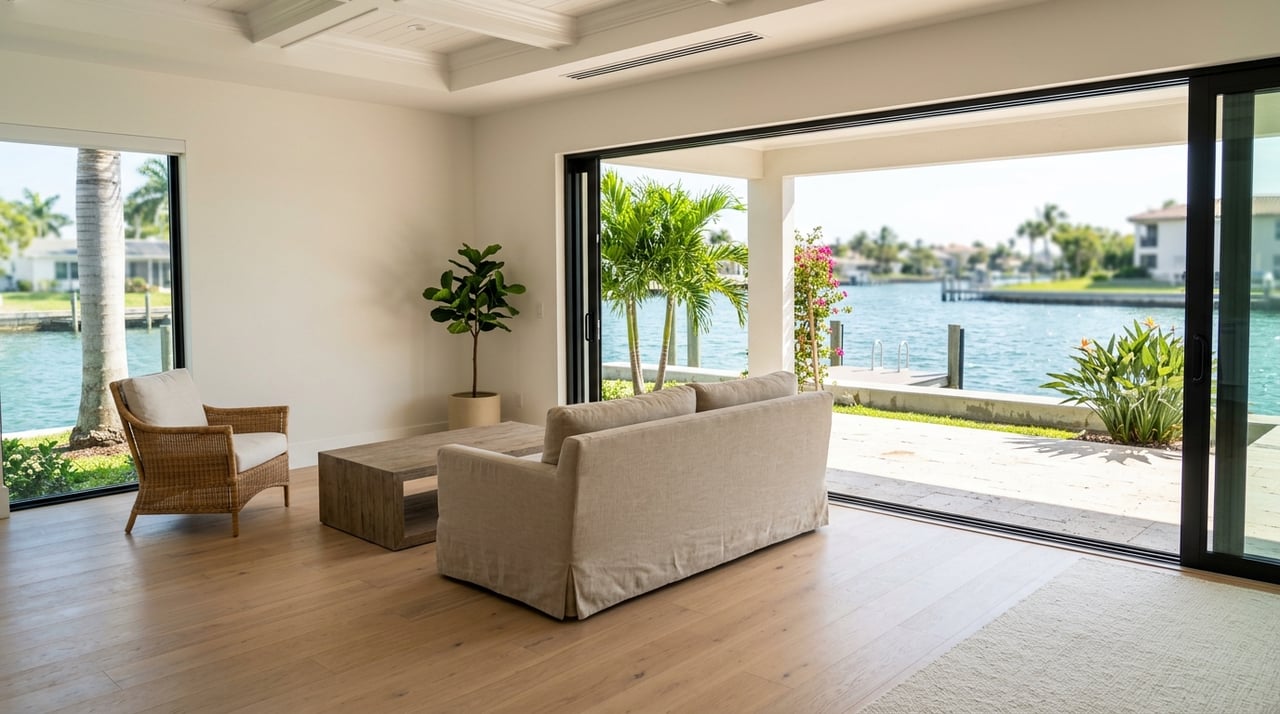
Picture this: you step outside with your coffee, glance down the canal, and see a boat idling by, a wading bird at the shoreline, and sunlight bouncing off the water. That everyday scene is a big reason people are drawn to Cape Coral. If you are thinking about buying, selling, or simply trying to understand what canal-front life really feels like here, this guide will walk you through the rhythm, perks, and practical tradeoffs of living on Cape Coral’s canals. Let’s dive in.
Cape Coral is built around water in a way few cities are. According to the city, it has more than 400 miles of fresh and saltwater canals running through the peninsula, with the Caloosahatchee River to the south and east and Matlacha Pass to the west.
That means canal living is not just a view or a backyard feature. In Cape Coral, the canal system is part of how the city functions. It supports recreation, helps with drainage and flood protection, supplies irrigation water, enhances property values, and shapes the look and feel of daily life.
Not all canal-front homes live the same way. One of the biggest practical differences is whether a home sits on a local canal, a freshwater route, or a canal with more direct access to the river and beyond.
That matters because your day-to-day use of the property can change based on the water behind it. Some homeowners are focused on the scenery and quiet setting. Others want easier boating access to the Caloosahatchee River and the Gulf. In Cape Coral, those details can shape everything from your routine to your long-term enjoyment of the home.
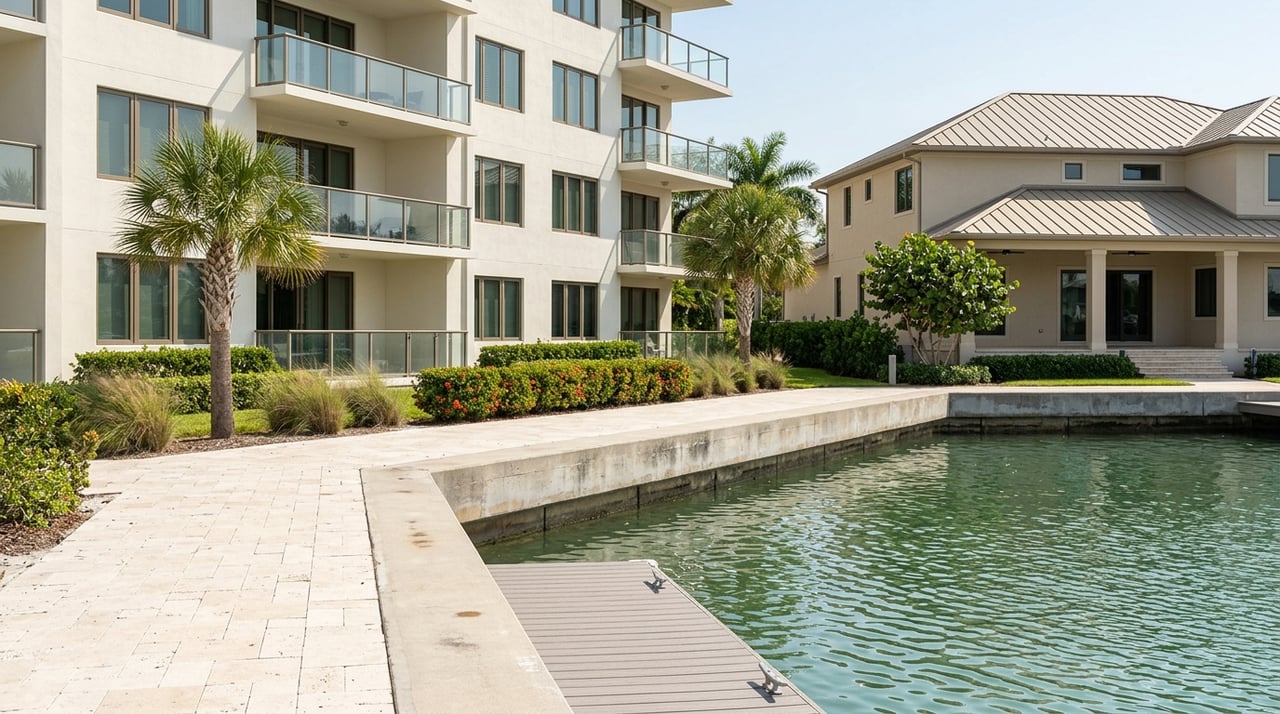
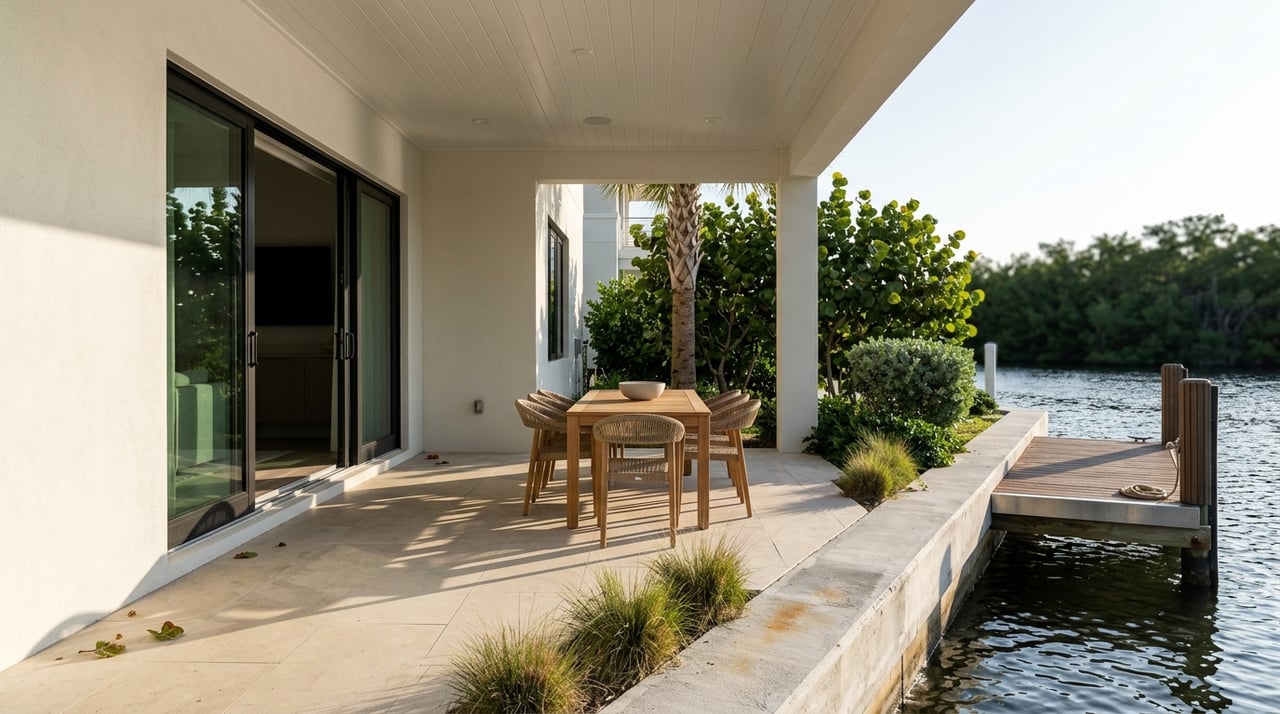
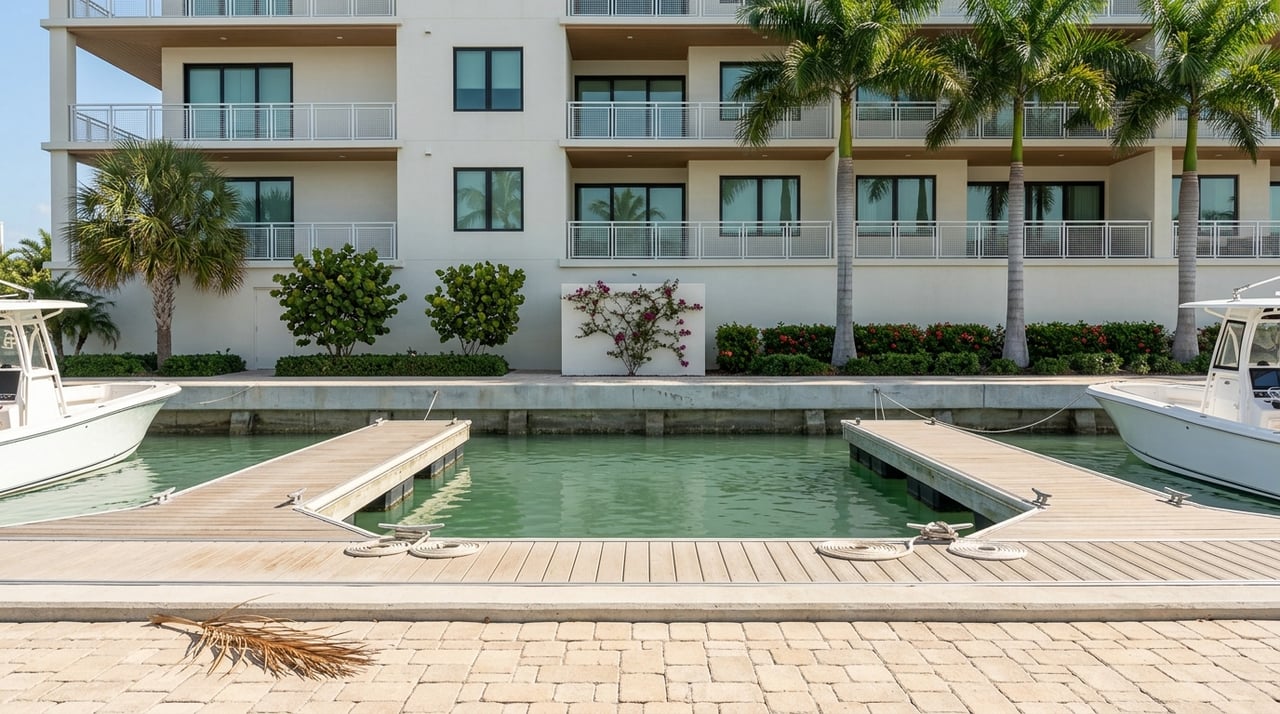
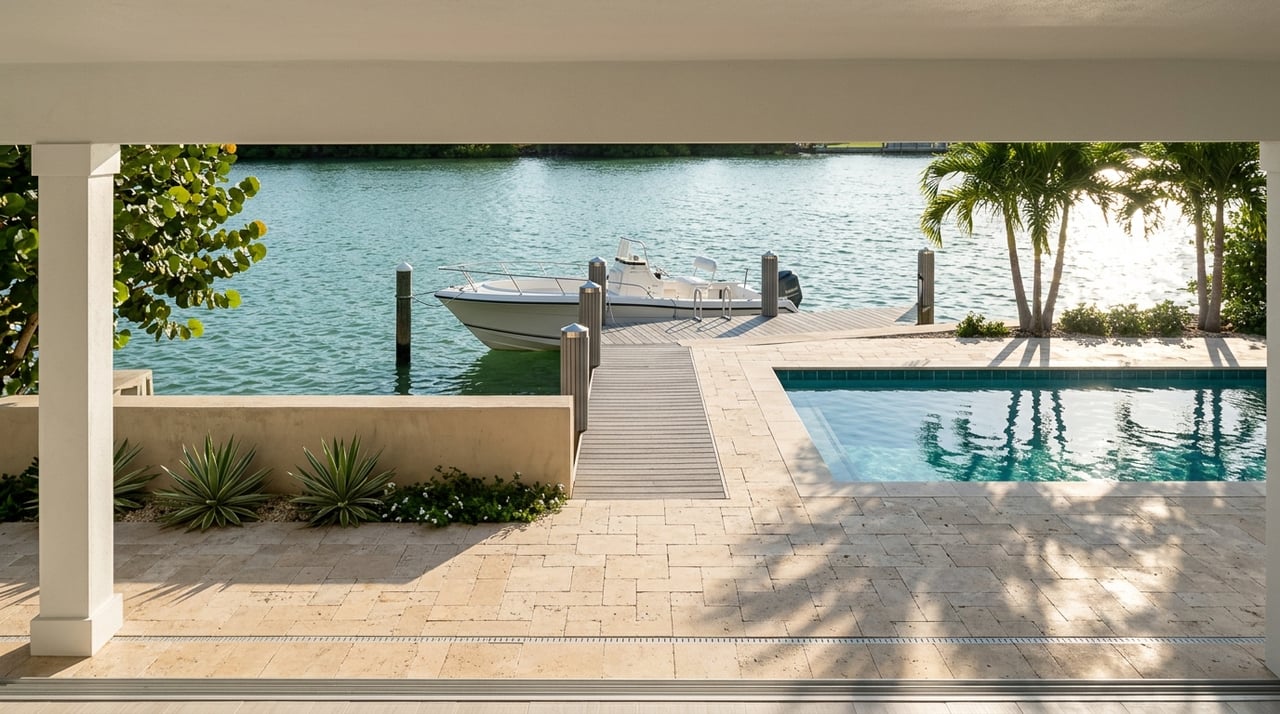
When you live on a canal, the water often becomes part of your schedule. You may spend mornings outside by the dock, plan evening boat rides, or simply enjoy the open feel that canal frontage brings to a property.
At the same time, canal living here comes with a civic side. Cape Coral treats water quality and drainage as local priorities, not just background issues. That gives waterfront living a more hands-on, community-minded feel than in places where the water is only decorative.
In Cape Coral, boating is one of the city’s most popular outdoor activities, and that shows up in daily life. Marine access, ramps, marinas, and canal connections are all part of the local routine for many residents.
The city oversees recreational marine operations and lists improved boat ramps at Horton Park, BMX, Burnt Store, and Rosen Park, along with unimproved freshwater ramps throughout the city. Improved ramps include paved parking, restrooms, and other amenities, and the city says ramps are open 24 hours a day unless closed for safety or repairs.
For some buyers, this means you do not need to own the largest waterfront estate to enjoy the boating lifestyle. Even if your property use is more casual, the broader boating infrastructure still supports the way people spend time outdoors in Cape Coral.
A waterfront lifestyle also comes with a few responsibilities. Florida requires a boating safety course for people born on or after January 1, 1988.
That may seem like a small detail, but it reflects a bigger truth about canal life here. The lifestyle is fun and relaxed, but it also works best when you understand how the local waterways are used and managed.
One of the most memorable parts of living on Cape Coral’s canals is how close nature feels. The city lists alligators, fresh and saltwater fish, marine mammals, birds, and manatees among common urban wildlife.
That creates a setting that often feels active and alive. You may spot birds fishing along the canal, see manatees in season, or notice fish movement from your backyard. For many residents, that connection to Florida wildlife is part of the appeal.
With that natural beauty comes responsibility. The city supports fish-line recycling because discarded monofilament can entangle birds, dolphins, manatees, and sea turtles.
Cape Coral also notes that residents created the Canalwatch volunteer program in 1995. That says a lot about local life. People here do not just live near the canals. Many see caring for them as part of living well in the community.
It is also worth being honest about the tradeoffs. Waterfront living in Florida means sharing space with native species, and that can include nuisance issues from time to time.
For example, the city directs residents to the Florida Fish and Wildlife Conservation Commission for alligator concerns. In other words, canal life is beautiful, but it is not staged or artificial. It is a real Florida waterfront environment.
One of the best parts of canal-front living is that you do not always have to plan a big outing to enjoy the outdoors. The scenery is woven into your neighborhood, and nature-based activities can feel close and easy.
Cape Coral also highlights nearby places that deepen that lifestyle. Four Mile Cove Ecological Preserve offers a 365-acre preserve with a boardwalk and visitor center, while Sirenia Vista Park is known as a place to see manatees, especially from November through February.
That adds another layer to daily life. Even when you are not out on the boat, the local environment still gives you reasons to get outside and enjoy the water.
Cape Coral’s layout shapes how you move through the city. It sits across the Caloosahatchee River from Fort Myers, and bridge crossings are a normal part of life for many residents who work, shop, or meet friends across the river.
The city says there are 161 bridges within Cape Coral. That number helps explain why routes, crossings, and neighborhood connectivity matter in a practical way when you are choosing where to live.
Cape Coral is not only a driving city. The city says it has more than 90 miles of interconnected bike routes bordering nature preserves, scenic canals, marinas, and the river, along with additional bike lanes and multi-use paths.
That gives everyday movement a different feel than you might find in a more inland suburb. Depending on where you live, a bike ride along the canals can be part of your normal routine, not just a weekend activity.
Life on the canals also connects to how people spend their free time. Cape Coral describes the city as having ample dining, retail, and nightlife options, with many waterfront experiences clustered around the river and South Cape.
Current waterfront gathering spots help show that pattern. Slipaway Food Truck Park & Marina brings together outdoor dining, live entertainment, marina services, and boardwalk space on the Caloosahatchee River. Bimini Square adds waterfront dining and marina access downtown, and The Cove at 47th is fully operational in the South Cape entertainment district.
Cape Coral also reopened Jaycee Park in 2026 as one of the city’s few public waterfront parks. That detail matters because in a city shaped by canals and private waterfront homes, public access points can play an outsized role in everyday life.
So even if you own waterfront property, these shared spaces still add value to the overall lifestyle. They create places to gather, walk, meet friends, and enjoy the riverfront side of Cape Coral.
If you are considering canal-front living, it helps to understand how much the weather shapes the routine. NOAA climate normals for nearby Fort Myers Page Field show that July has an average high of 91.6 degrees and an average low of 74.7 degrees, while January averages 75.0 degrees for the high and 54.3 degrees for the low.
Rainfall shifts too. January averages 2.43 inches of rain, while June through September averages roughly 9 to 10.4 inches per month. That means winter tends to be milder and drier, while summer is hotter, more humid, and much wetter.
The National Weather Service says Southwest Florida’s rainy season runs from May 15 to October 15. The CDC says Atlantic hurricane season runs from June 1 through November 30.
Put together, those patterns help explain why many residents find roughly November through April the most comfortable stretch for outdoor living. Late spring through fall can still be enjoyable, but it usually calls for more planning around heat, afternoon storms, and storm-season preparation.
One of the most important realities of life on the canals is that the water requires attention. Cape Coral says algae can appear year-round, with warmer water and higher nutrients contributing to blooms.
The city monitors stormwater and water quality at 39 sites. That tells you something important as a buyer or homeowner: canal living here is active, not passive. The water is part of the lifestyle, but it is also something the city and residents work to understand and protect.
So what is day-to-day life on Cape Coral’s canals really like? It is a mix of beautiful scenery, outdoor access, boat culture, bridge-based travel, and seasonal planning.
Some days it is as simple as watching the light on the water from your lanai. Other days it means checking the weather before a boat ride, biking along a canal route, heading to the riverfront for dinner, or paying attention to water conditions in your area. The lifestyle is relaxed, but it is also very connected to place.
For the right buyer, that is exactly the appeal. You are not just buying a house with a view. You are stepping into a waterfront routine that shapes how you live, move, gather, and enjoy Cape Coral.
If you are weighing canal-front options in Cape Coral or trying to decide which type of waterfront setting fits your goals, working with someone who understands both the lifestyle and the property details can make the process much easier. When you are ready to talk through your next move, connect with Emily Durgan.
Stay up to date on the latest real estate trends.
Bringing deep local insight and a passion for waterfront living, clients are guided through every step with clarity, care, and a focus on finding the right fit.